Scienspur Logo
Official Institutional Publication · Scienspur Foundation

Annual Report 2025–26

Broadening access to rigorous biological sciences for underserved undergraduates — a transformative year of pedagogical innovation, volunteer faculty leadership, and verified global impact.

Academic Term: April 2025 – March 2026
Published by Scienspur Academic Council
Global Open-Access Record
Explore Executive SummaryAcademic Leadership
Verified Institutional Metrics

Year at a Glance

Key verified benchmarks achieved across the 2025–26 academic cohorts

0
Students Empowered
globally across 10+ countries
0
Volunteer Hours
cutting-edge domain instruction
0
Countries Reached
global international presence
0
World-Renowned Experts
from top academia & industry
0
Core Disciplines
rigorous semester STEM tracks
0
Curriculum Satisfaction
verified student cohort ratings
SECTION 01

Executive Summary & Institutional Impact

Democratizing advanced biological sciences across underserved undergraduate colleges

The 2025–26 academic year represented a pivotal expansion of Scienspur's mission to democratize advanced life science education. Between April 2025 and March 2026, Scienspur implemented structured pedagogical innovations to empower hundreds of undergraduates from underserved regions, enabling mastery over modern molecular biology technologies.

Through intensive weekly journal clubs, live paper dissections, and structured post-course assignments, our cohorts engaged in high-level scientific inquiry across Basic Molecular Genetics, Advanced Molecular Genetics, Cell Biology, and Neurobiology.

Institutional Partnership: This year's success was significantly amplified through the unwavering institutional collaboration of the Mittal Institute, which served as an essential substrate for our collective outreach.
Institutional Diversity81.2% Public & Aided Reach

Student Landscape

Verified distribution of enrolled scholars across higher education institution classifications:

50.5%
30.7%
18.7%
Government Colleges
State & Central Public Universities
50.5%
~707+ Enrolled Learners
Aided Colleges
Government-Aided Institutions
30.7%
~430+ Enrolled Learners
Private Colleges
Private Universities & Autonomous Colleges
18.7%
~262+ Enrolled Learners
💡 Tip: Hover over any bar segment or row to preview real student lab photographs.
Pedagogical QualityAnonymous Exit Surveys

Student Satisfaction Index

Verified evaluation results assessing course rigor, mentor engagement, and academic readiness:

Scienspur Experience Satisfaction
Overall program, TA support, and community mentorship rating
95%
Curriculum Satisfaction
Syllabus depth, research papers, and live journal club sessions
97%
Mentor Engagement
Active instructor presence, Q&A responsiveness, and office hours
98%
Compiled from independent post-course survey submissions across 4 cohorts.
SECTION 02

Academic Programs Delivered (2025–26)
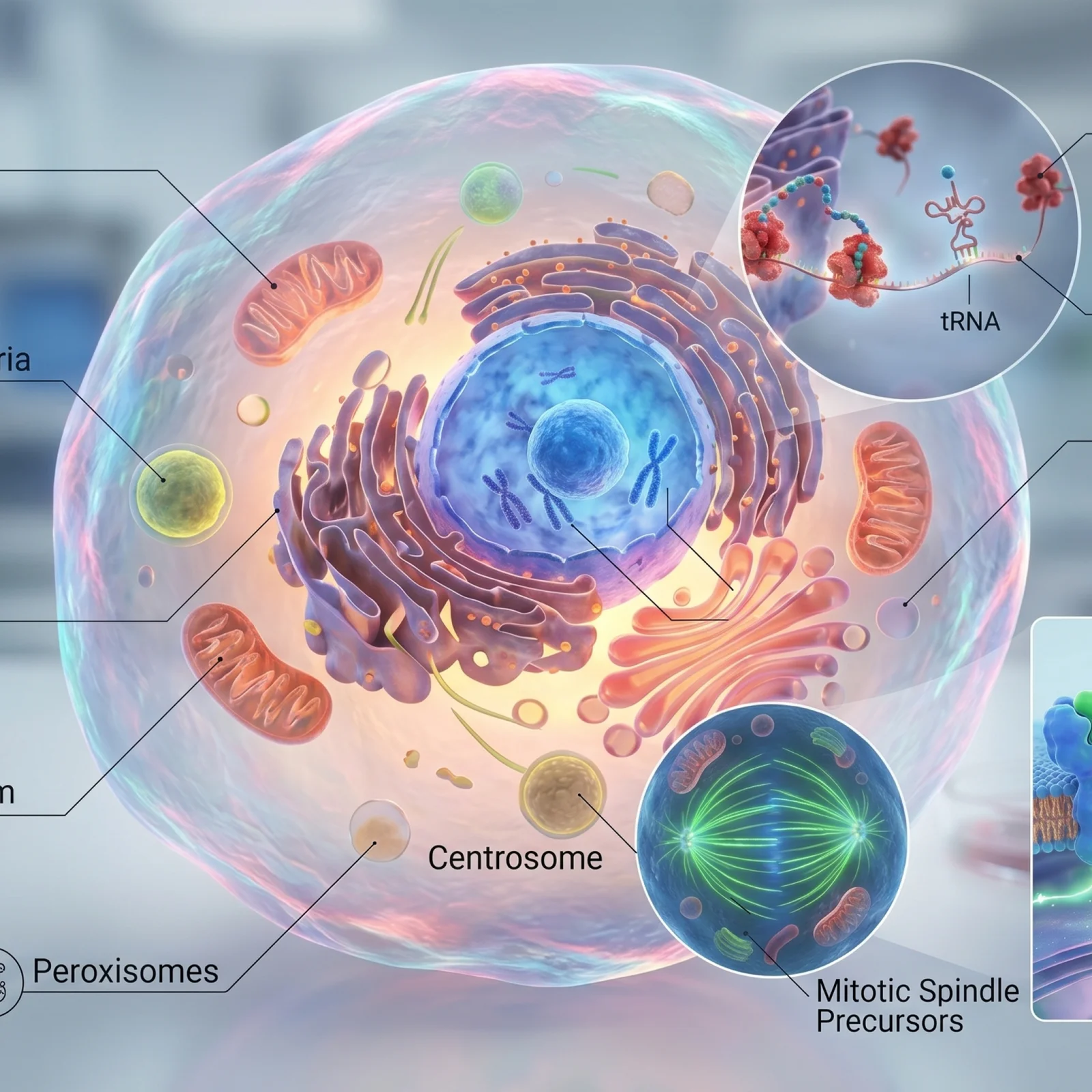
Four comprehensive, semester-long curricula led by active postdocs and PhD researchers
PROGRAM 01 · Summer 2025 · May – Aug

Basic Molecular Genetics

25+ Sessions
112 Students
18 Instructors

Transformed DNA novices into genomics trailblazers. Over 25 rigorous sessions, students mastered the foundational mechanics of heredity, replication fidelity, and gene regulation across model organisms.

Core Curriculum Topics
Central Dogma : ReplicationCentral Dogma : TranscriptionCentral Dogma : TranslationDNA Repair Mechanisms, Recombination & MutagenesisRNA Splicing, Modifications & Nonsense mediated decayRNA ModificationsRNA Biology circ RNAsStructures of ProteinIntroduction to Mendelian GeneticsDrosophila as a Model OrganismMouse and Human GeneticsZebrafish as a Model organism
Basic Molecular Genetics
Scienspur Syllabus ArchiveExplore Course
PROGRAM 02 · Spring 2025 · Aug – Dec

Advanced Molecular Genetics

23 Sessions
68 Honors Scholars
16 Instructors

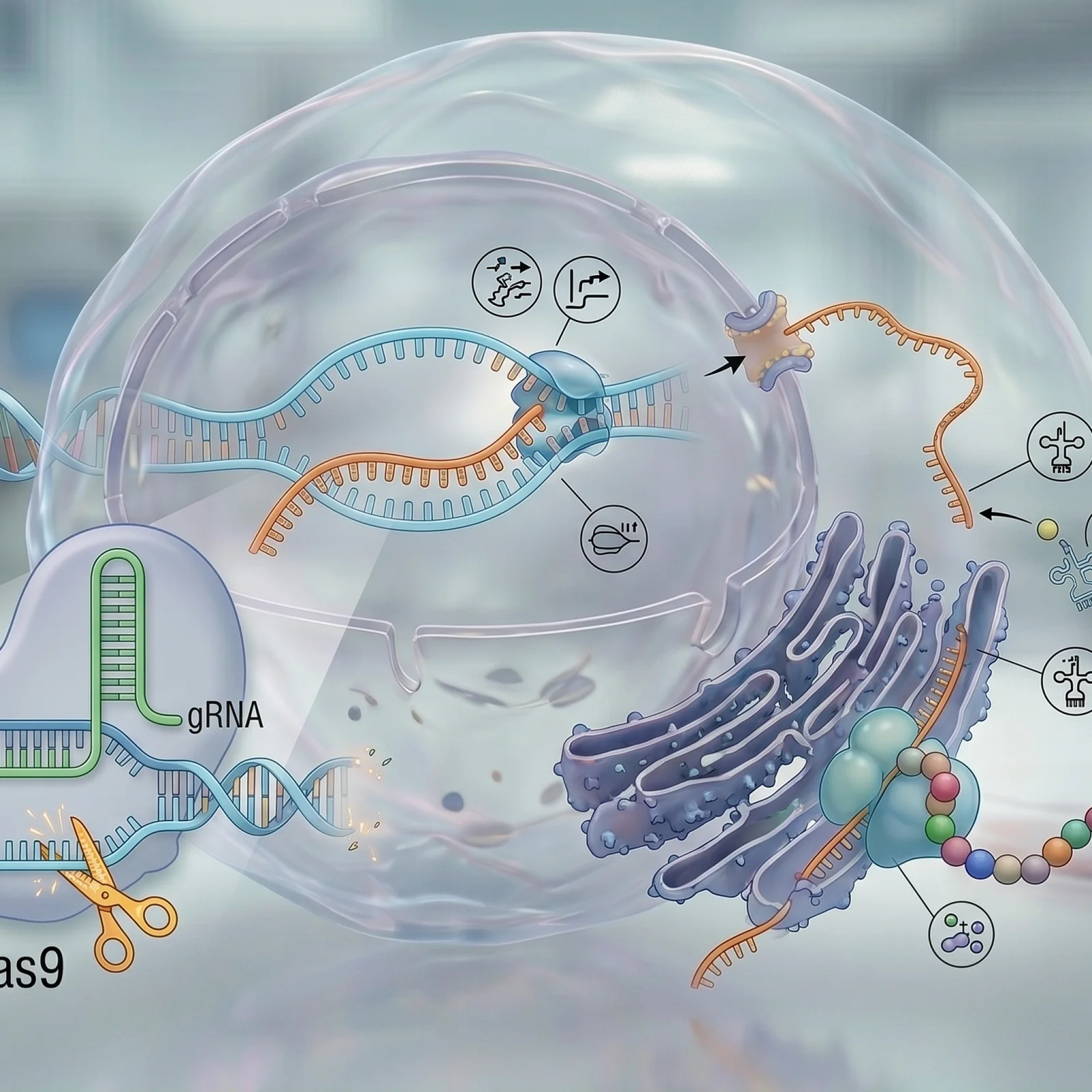
An elite, highly competitive sequel for students who cleared the Post-Course Assignment. Focused on cutting-edge genomics, CRISPR-Cas9 mechanics, and weekly research paper dissection.

Awards Galaxy: Stars Aligned! 68 elite students earned verified academic honors.
Core Curriculum Topics
AI-based Protein DesignMolecular Toolkit of Genetic EngineeringTechniques of Molecular BiologyRNA Sequence AnalysisNext Generation Sequencing (NGS)CRISPR/Cas9 based Gene Editing & TherapeuticsCellular Plasticity & EpigeneticsCAR T- Cell Therapies, Lymphocyte/NK Cell Based TherapiesRNAi based TherapeuticsIntroduction to Microbial Community Analysis & MetagenomicsBacterial Immune Systems
Advanced Molecular Genetics
Scienspur Syllabus ArchiveExplore Course
PROGRAM 03 · Fall 2025 · Aug – Dec

Cell Biology

31 Sessions
85 Students
20 Instructors

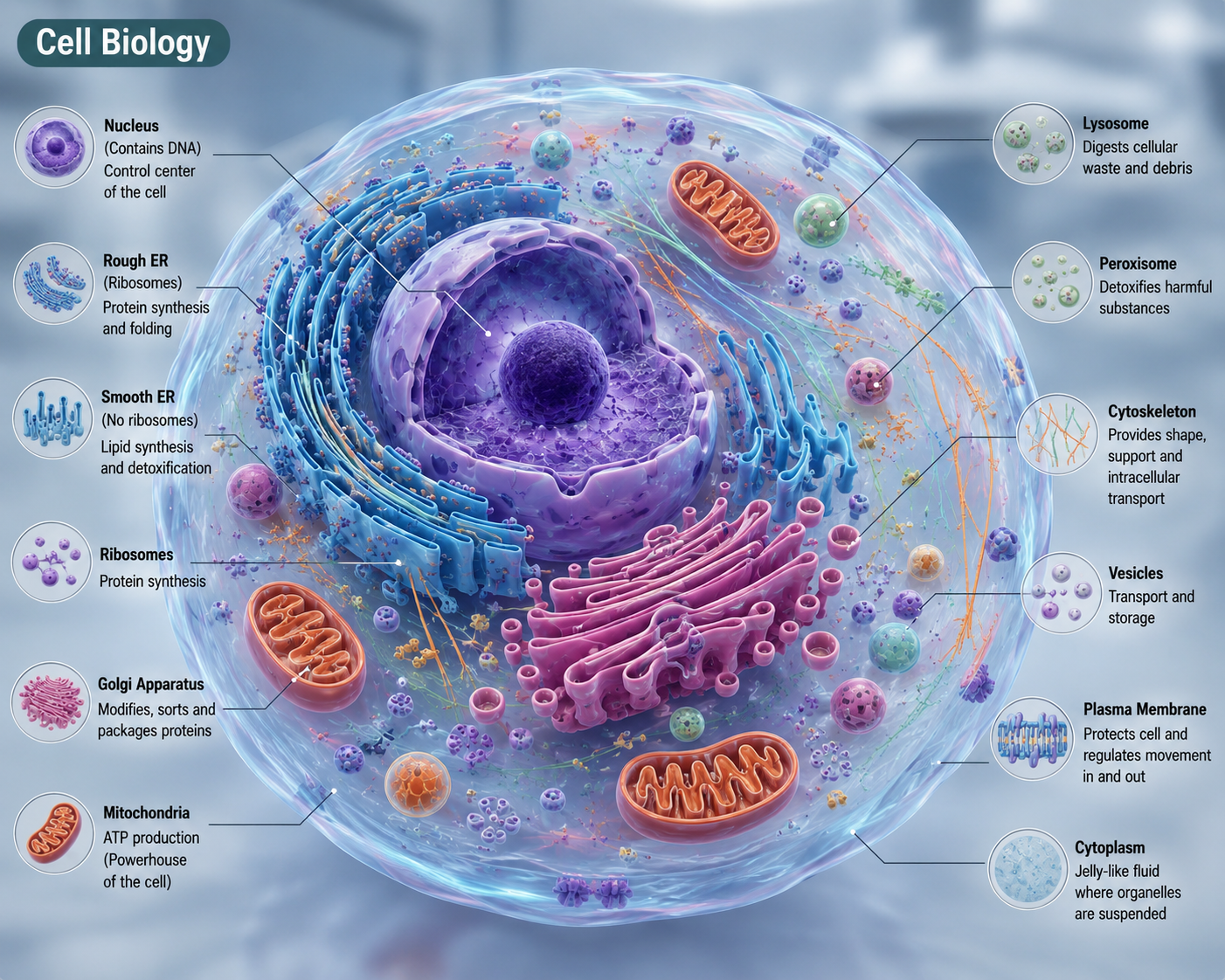
A comprehensive exploration led by faculty from Princeton and Weill Cornell Medicine. Covered organelle architecture, cell cycle checkpoints, apoptosis, and state-of-the-art super-resolution microscopy.

Core Curriculum Topics
Cells and Cellular StructuresIntroduction to Electron MicroscopyIntroduction to ProteinsBacterial Immune SystemsCytoskeletonMicroscopyPlasma MembraneCell SignallingCell Biology of Developing NeuronsCell PolarityCell Adhesion & MigrationCell CycleLysozyme, Autophagy & Neurodegeneration
Cell Biology
Scienspur Syllabus ArchiveExplore Course
PROGRAM 04 · Fall 2025 · Aug – Jan

Neurobiology

51 Sessions
122 Students
34 Instructors

Our most intensive program to date, dissecting brain function from ion channels to neural circuits. Pioneered the Dual-Point Engagement System (Alert Points) to ensure high-accountability active learning.

Core Curriculum Topics
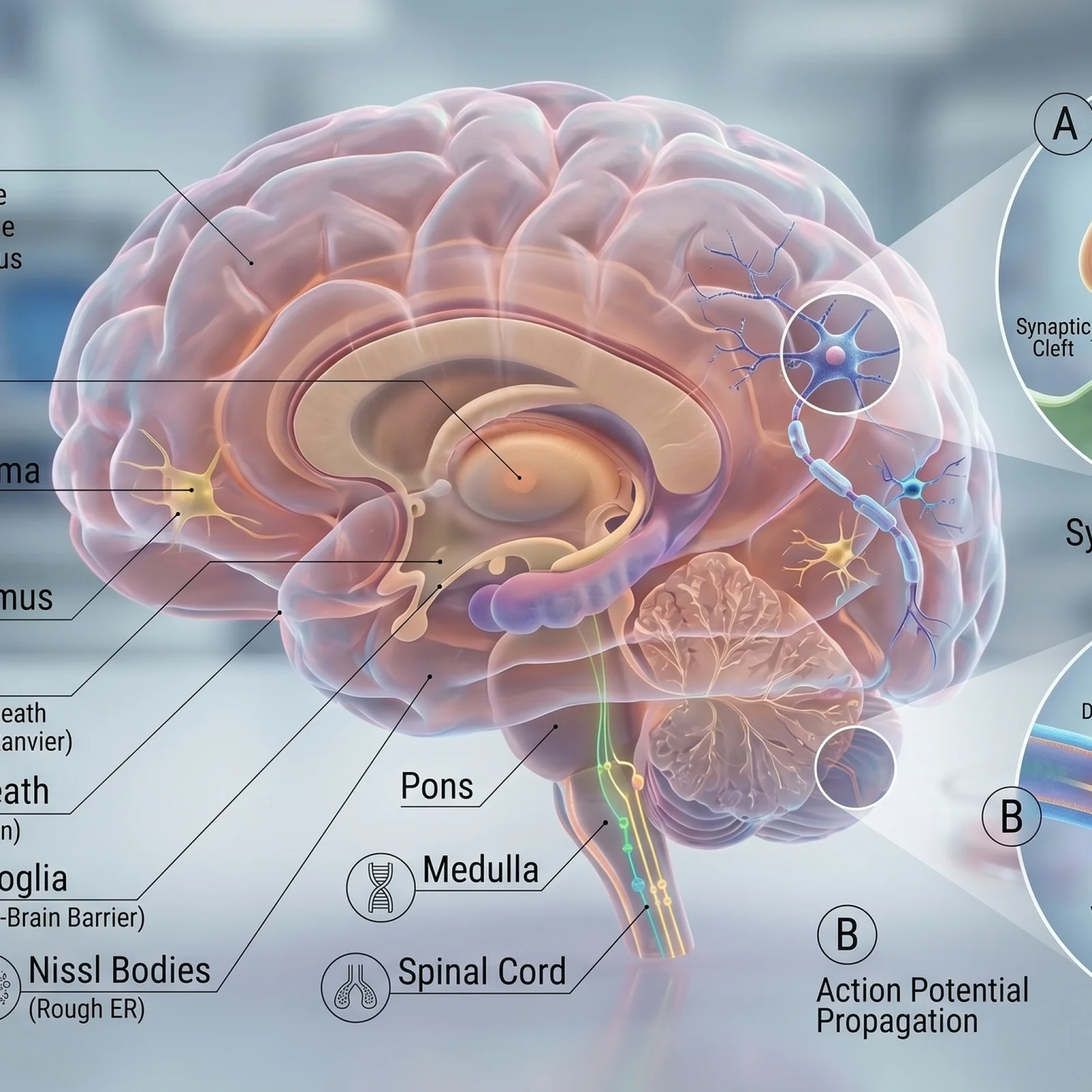
Introduction to NeuroscienceGross Anatomy and Historical Perspective of the BrainCell types & Neural NetworksSynapse Formation & Neural Circuit RemodellingEvolution of Brain & Spinal CordHuman Neuroimaging TechniquesDevelopmental NeurobiologyThe Neuromuscular Junction & The Drosophila ModelSynaptic & Dendritic IntegrationNeurodegenerative DisordersSynaptic PlasticityGeneration of Neuronal PolarityTranscription Factors & How they Shape the BrainExperimental Approach of NeuronsAnimal Learning TheoryCircadian RhythmsMolecular Mechanisms of Free Running Rhythms & EntertainmentCell Biology of Developing NeuronsVisualizing Neurons in ActionNeurogenetics in Synapse FormationLysoszyme, autophagy & NeurodegenerationNeuroToolbox : Poking, Probing & Decoding the BrainNetwork PharmacologyNeurodegenerative Diseases & Underlying Behaviors
Neurobiology
Scienspur Syllabus ArchiveExplore Course
SECTION 03

Strategic Pedagogy & QDL Framework

Pedagogical innovation combining Question-Driven Learning and high-accountability active engagement

The Winter Recharge

We scheduled a deliberate academic hiatus from December 1st to 25th, allowing students to focus on university semester examinations without falling behind in Scienspur courses.

Curiosity-Driven Bridge Assignments

Light, inquiry-driven micro-challenges preserved scientific momentum during the break without causing burnout, ensuring cohorts resumed with peak enthusiasm in January.

Dual-Point Engagement System (Alert Points)

Pioneered in Neurobiology: scholars earned verified Alert Points only when their cameras remained active for >75% of live sessions — ensuring attendance represented genuine participation.

SECTION 04

Digital Transformation: Atfolks LMS Platform

Centralized digital infrastructure designed for low-bandwidth smartphone accessibility
Infrastructure Upgrade

Atfolks App Integration

This year, we transitioned our learning delivery to the Atfolks platform, establishing a single high-performance digital repository for session archives, reading materials, homework submissions, and faculty-student discussions.
Mobile-First Accessibility
Optimized for students streaming lectures on smartphones across 3G/4G networks in rural and semi-urban colleges.
Centralized Academic Repository
Unified library housing journal club papers, lecture slides, protocol sheets, and assignment submissions.
Full 2026–27 Onboarding
Expanding to host 100% of upcoming courses, guest seminars, and alumni mentorship circles.
SECTION 05

Academic Leadership & Volunteer Faculty

Distinguished researchers and postdocs serving as volunteer educators
Dr. Arka Banerjee

Dr. Arka Banerjee

Instructor, Weill Cornell Medicine
Course Taught: Advanced Molecular Genetics & Cell Biology
Verified EducatorFull Faculty Bio
PG

Dr. Payel Ganguly

Postdoctoral Fellow, Harvard Medical School
Course Taught: Advanced Molecular Genetics & Neurobiology
Verified EducatorFull Faculty Bio
RC

Dr. Ratna Chaturvedi

Instructor, UMass Chan Medical School
Course Taught: Neurobiology Track Lead
Verified EducatorFull Faculty Bio
Dr. Sanjeev Sharma

Dr. Sanjeev Sharma

Postdoctoral Fellow, Weill Cornell Medicine
Course Taught: Cell Biology & Signal Transduction
Verified EducatorFull Faculty Bio
Dr. Parijat Sil

Dr. Parijat Sil

Postdoctoral Researcher, Princeton University
Course Taught: Cell Biology & Membrane Trafficking
Verified EducatorFull Faculty Bio
Dr. Rajan Thakur

Dr. Rajan Thakur

Postdoctoral Fellow, Brown University
Course Taught: Cell Biology & Molecular Pathology
Verified EducatorFull Faculty Bio
Explore All 50+ Instructors in Faculty Directory